

I spent the next two weeks trying to find a way to keep the house. It wasn’t because I wanted Mark back. It was because I knew the house without him. I knew which stair creaked in winter, how the afternoon light fell across the dining-room floor, and the precise corner of the yard where Daisy liked to lie in September. I didn’t want his decisions to take all that from me too.
I ran the numbers at Tessa’s kitchen table. My salary in the billing department of a regional hospital was steady, and I had benefits, but we’d bought the house with two incomes in mind. Even if I stopped making every nonessential purchase, the mortgage, taxes, insurance, and repairs left very little room for Daisy’s care or an emergency. Renting a room could help, but it wouldn’t resolve the overdue payment or settle what Mark owed back to our shared savings.
Dana suggested I meet with a housing counselor before deciding. The counselor reviewed the mortgage balance, our income, and the realistic cost of staying. She didn’t tell me to sell. She showed me what staying would require: a consistent contribution from Mark, a tighter budget than I’d ever managed, and an agreement about the house that might take months to negotiate.
I could not build my future on Mark doing what he promised every month. That was not punishment. It was the condition our marriage had reached.
I told him we needed to discuss a sale. We met at June’s office with the mortgage figures and a list of questions. June did not pretend to be our attorney. She explained what similar homes had sold for, what repairs would matter, and the costs we’d have to pay before any proceeds could be divided. She also told us that no listing would go live without written approval from both owners.
Mark kept twisting the cap of a water bottle. When June stepped out to make copies, he looked at me.
“You really want to sell?”
“No,” I said. “I want to be able to keep it without depending on another secret. That’s not an option I can afford.”
He put the bottle down. “I thought this place was forever.”
“So did I.”
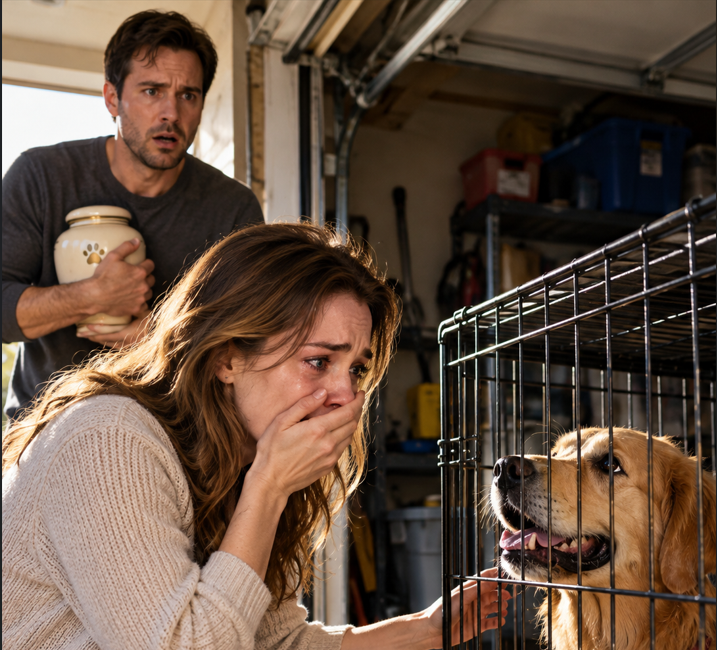
For once he didn’t argue. The silence felt different from the garage. He wasn’t blocking a door or supplying an excuse. He had asked a question and heard an answer he didn’t like.
I agreed to prepare the house for sale only after Dana reviewed a written plan covering the overdue mortgage, ongoing expenses, and how we’d handle the missing savings in a financial settlement. Mark would have his own attorney. Neither of us had to trust a handshake over coffee anymore. He was living elsewhere while we worked through it, and we arranged visits to the house in advance rather than appearing without warning.
There were ordinary things to do before June could take photographs. I patched nail holes. Tessa helped paint the hallway. Mark hired someone to fix the loose railing I’d reminded him about for two years. When he showed me the receipt, I thanked him without treating it as an apology.
Then I packed our wedding photographs. I didn’t tear them up. The people smiling in them had really existed, even if I no longer knew what each smile meant. I wrapped the frames in newspaper and placed them in a box labeled PERSONAL, not because I wanted them displayed again but because throwing them away in anger would have been another decision made for a person I might become later.
Daisy found the activity upsetting at first. The sound of packing tape made her pace; if I went into the garage, she’d stand at the doorway rather than follow. Dr. Shah had suggested predictable routines, so each evening we took the same short walk past the park, and each morning I sat on the back steps with her while she ate breakfast. Slowly she stopped jumping at every closing door. She still watched my face for clues, but she began sleeping through the night again.
One Saturday I found her old red collar in the laundry basket. Its edge was frayed where she had chewed it as a puppy, and the brass tag was scratched nearly smooth. I cleaned the tag, bought her a safer new collar for daily walks, and folded the red one into her blanket. I wasn’t keeping it as evidence. I was keeping it because I could finally look at it without hearing Mark say she was gone.
Rachel came from Chicago for a weekend. She brought food, helped me pack books, and stood in the doorway of the room that had been our guest bedroom.
“Are you sure you don’t want to come stay with me for a while?” she asked.
“I’m sure I want to stay near my work. And I want Daisy to have a yard. Maybe a tiny one.”
Rachel smiled at the last part.
“That’s something we can look for.”
We toured several rentals. One landlord would allow a dog but only after reviewing her weight, which ruled Daisy out. Another had steep stairs she would struggle to climb. A third looked promising online until I learned the fence had been removed. I went home tired and discouraged, but it was an ordinary kind of disappointment. Nobody was making choices behind my back. I knew why each door was closing.
By October, June had photographed the house and put the listing online with both our signatures. The first showing happened on a rainy Thursday. Daisy and I waited at Tessa’s while strangers considered the rooms where we had spent eleven years.
That evening June called to say there had been interest, but no offer yet. She asked how quickly we could manage a move if a buyer appeared. I checked the rental listings again and saw a small duplex ten minutes from the hospital. It had a ground-floor bedroom, a narrow fenced yard, and a landlord who had already written that senior dogs were welcome.
I sent an inquiry before I could talk myself out of hoping. The next morning the landlord offered a viewing. Daisy was asleep at my feet when I read the message, one paw resting on my shoe as if she had chosen a place to begin again.