


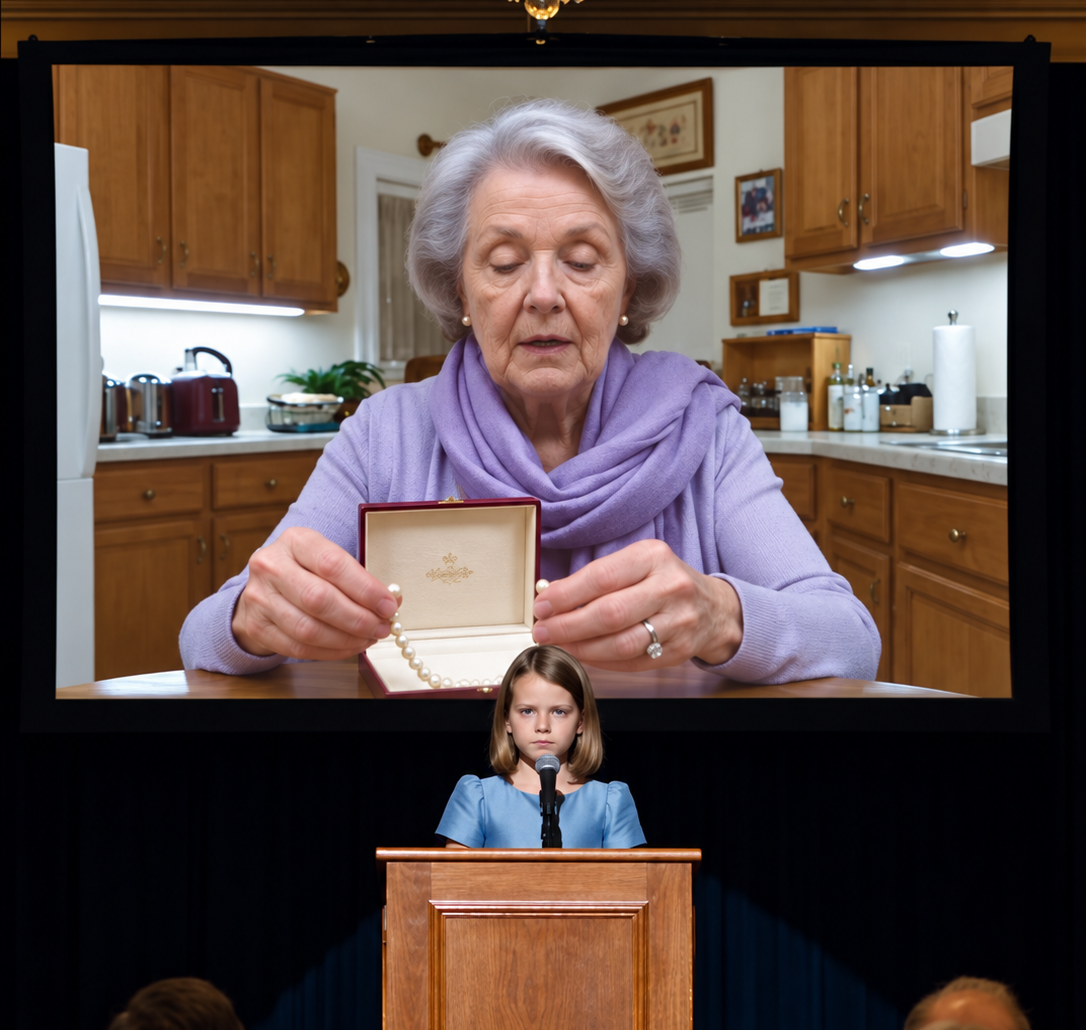
Claire sat at the kitchen table with Daniel’s words still in her ear.
The dining room clock ticked through the silence.
She had spent years trying to keep his temper away from the children, but she could not quietly accept a threat against the people who worked for them.
“Those wages are already owed,” she said when he called back.
“You don’t get to trade them for my signature.”
“I’m trying to protect the company from your lawyer.”
“No.
You’re trying to make me responsible for a choice you’re making.”
He hung up.
Claire wrote down what he had said, then forwarded the payroll notice to Marisol.
By Tuesday morning, Marisol had demanded that the company preserve the payroll funds and release wages in the ordinary course.
She also warned Daniel’s attorney that tying payroll to an ownership dispute could expose the company and its managers to serious consequences.
She made no promise that a letter alone would solve it.
Claire called Nina before the office opened.
“Are the employees being told their pay is delayed?” she asked.
“Not yet.
The bank balance covers the batch.
The deadline for release is Thursday afternoon.”
“Keep preparing it as normal.
Tell Marisol immediately if anyone tries to change the amounts.”
Nina hesitated.
“Claire, I need this job.”
“I know.
I won’t ask you to risk it to prove something for me.”
That last sentence was harder to say than Claire expected.
Once, she would have asked Nina to keep the peace with Daniel, the way everyone in the office seemed to do.
Now she understood that keeping the peace often meant pushing the cost onto somebody with less power.
Daniel agreed to a meeting Wednesday at Marisol’s office.
He arrived with an attorney Claire had never met and an expression that suggested he was doing them all a favor.
He did not ask about Ellie.
“I’ll authorize payroll today,” he announced.
“Then we can talk about ending this misunderstanding.”
Marisol asked for written confirmation and a bank-generated receipt once the payroll batch was released.
Daniel’s attorney nodded.
Daniel looked irritated that nobody applauded.
Next he slid a settlement proposal across the table.
It offered Claire the family house, a fixed amount of money spread over five years, and a public acknowledgment of her early contributions.
In exchange, she would sign the asset transfer, give up her membership interest, and agree never to challenge the transaction or discuss its terms.
“You’ll be comfortable,” Daniel said.
“You always said you wanted less stress.”
Claire read the page without touching the pen beside it.
“I said I wanted us to have dinner together,” she answered.
“I said I wanted you at Ellie’s school concerts.
I never said I wanted to disappear from my own company.”
Daniel leaned forward.
“You haven’t run a construction project in years.”
“Then let’s hire a qualified operations director,” she said.
“Let’s look at the accounts with an independent professional.
If I leave the business, it will be through an informed agreement, not a document you put in front of me after a threat.”
His attorney began taking notes.
Daniel pushed his chair away from the table.
“This is what happens when you let people put ideas in your head.”
For the first time, Claire did not spend the drive home rehearsing how to make him understand.
She spent it deciding which records she needed and which conversations were no longer worth having.
The next morning, the payroll batch went through.
Nina sent confirmation that the employees’ payments had been released.
Claire cried in the grocery store parking lot, briefly and without embarrassment.
Forty-three people would not have to carry the cost of their marriage falling apart.
It was a small victory, and she knew it was not the end.
That afternoon Lauren asked to meet in a public café.
Claire considered refusing.
Then she remembered Lauren’s face when the necklace came off.
She told Marisol about the request and agreed to listen, without promising confidentiality on matters that involved the business.
Lauren arrived without makeup and kept both hands around her coffee cup.
“Daniel told me you were basically separated,” she said.
“He said you stayed married for your daughter’s sake.”
“That wasn’t true,” Claire replied.
“I know that now.
I should have asked instead of believing the answer that made things easier for me.”
Claire appreciated that Lauren did not call herself innocent.
“Did you know about the new company?”
“I helped schedule meetings for it.
I didn’t know it was supposed to take the existing contracts until last week.
When I asked, Daniel said you had approved everything.”
“Did you ever see me approve it?”
“No.
And I didn’t sign for you.”
Lauren took a breath.
“After the dinner, he told me to say the pearls had been bought by his mother.
I refused.
I turned in my resignation this morning.”
Claire watched a waiter wipe down the next table.
She was tired of conversations in which every person asked her to decide whether they deserved forgiveness.
“Thank you for telling me,” she said.
“I don’t know what else to say to you.”
“You don’t have to say anything else.”
That evening Hannah returned home.
Ellie ran to the front door so fast she nearly tripped over her own shoes.
The sisters held each other for a long time without speaking.
At dinner, Ellie admitted she had stopped looking at her class messages.
Some children had called her a hero, but one had asked if she planned to ruin other people’s lives with videos too.
“Maybe I shouldn’t have done it,” she whispered.
Claire put down her fork.
“You told the truth about something you saw.
The adults should have handled it long before you felt you needed a microphone.”
“I made everything worse.”
“You didn’t make your father give away my mother’s pearls.
You didn’t make him lie about the company.”
Hannah reached over and took Ellie’s hand.
They talked about telling the school counselor what had happened and asking classmates not to circulate the recording.
It wasn’t a perfect answer, but it was something the sisters could do without carrying the whole dispute.
Friday brought a letter from the lender.
The proposed transfer would not close while Claire’s consent was disputed, but the bank also wanted written assurance about who could authorize major transactions at Harrison Custom Homes.
Until that was resolved, it would not approve a planned extension of the company’s credit line.
Two construction projects depended on that financing.
Marisol laid out the options: negotiate temporary controls with Daniel, seek court intervention if necessary, or risk projects stalling while each side insisted the other was to blame.
None of them was easy.
At the bottom of the bank’s letter, Claire saw a deadline.
Monday, 10:00 a.m.
She looked at the photographs of half-finished homes on the company website and understood the next decision would affect far more people than those in the ballroom.
Daniel had finally been forced to acknowledge that her signature mattered.
Now Claire had to decide what she was willing to do with it.
To find out whether Claire can protect the company without surrendering her future, continue with Part 5.